%2Ffit-in%2F250x250%2Fguide_websites%2F55612%2Fimages%2F175980187517823410f76-a3b8-41ad-aa57-07186e83385a.png&w=1920&q=100)
/users/4b20d993-d10a-467b-acd3-7bf6d8bfa998/ratecard/little-tunny-islamorada-fishing-35121-mgfw59dl.jpeg)
%2F300x300%2Fusers%2F4b20d993-d10a-467b-acd3-7bf6d8bfa998%2Fratecard%2Flittle-tunny-islamorada-fishing-35121-mgfw59dl.jpeg&w=256&q=75)
%2F300x300%2Fusers%2F4b20d993-d10a-467b-acd3-7bf6d8bfa998%2Fimages%2Ffishing-tour-florida-3347.jpg&w=256&q=75)
%2F300x300%2Fusers%2F4b20d993-d10a-467b-acd3-7bf6d8bfa998%2Fimages%2Fislamorada-fishing-tours-3497.jpg&w=256&q=75)
%2F300x300%2Fusers%2F4b20d993-d10a-467b-acd3-7bf6d8bfa998%2Fimages%2Fblackfin-tuna-fishing-florida-3109.jpeg&w=256&q=75)
%2F300x300%2Fusers%2F4b20d993-d10a-467b-acd3-7bf6d8bfa998%2Fimages%2Fanglers-catch-tuna-bonito-islamorada-3586.jpeg&w=256&q=75)
%2F300x300%2Fusers%2F4b20d993-d10a-467b-acd3-7bf6d8bfa998%2Fimages%2Ffishing-adventure-islamorada-2582.png&w=256&q=75)
%2F300x300%2Fusers%2F4b20d993-d10a-467b-acd3-7bf6d8bfa998%2Fimages%2Ffishing-fun-in-fl-3576.jpeg&w=256&q=75)
%2F300x300%2Fusers%2F4b20d993-d10a-467b-acd3-7bf6d8bfa998%2Fimages%2Fislamorada-anglers-haul-3404.jpeg&w=256&q=75)
%2F300x300%2Fusers%2F4b20d993-d10a-467b-acd3-7bf6d8bfa998%2Fimages%2Flittle-tunny-islamorada-fishing-3512.jpeg&w=256&q=75)
Expert-Guided Offshore Fishing in Islamorada
 Islamorada
What you will be catching:
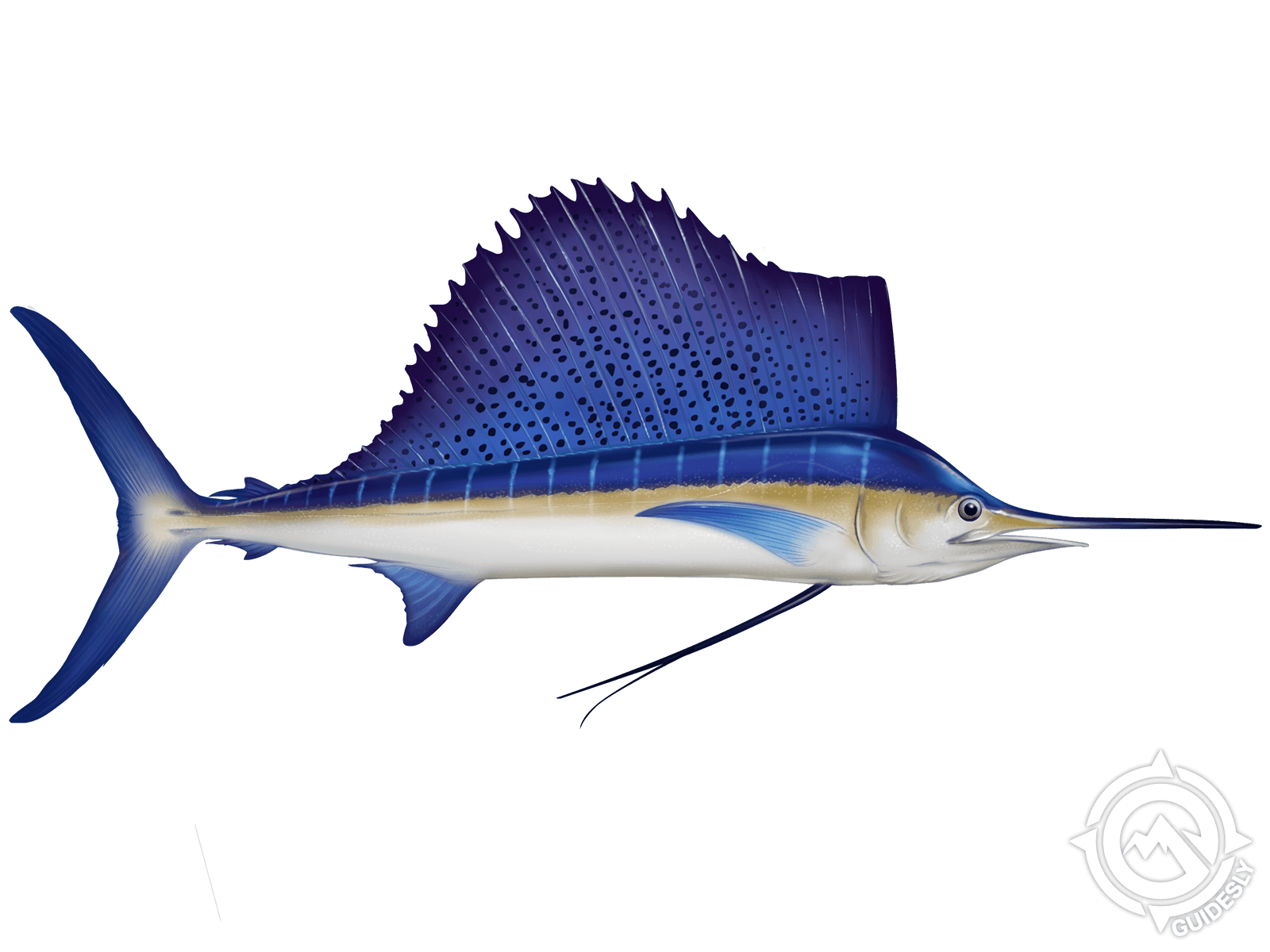
 Atlantic Sailfish
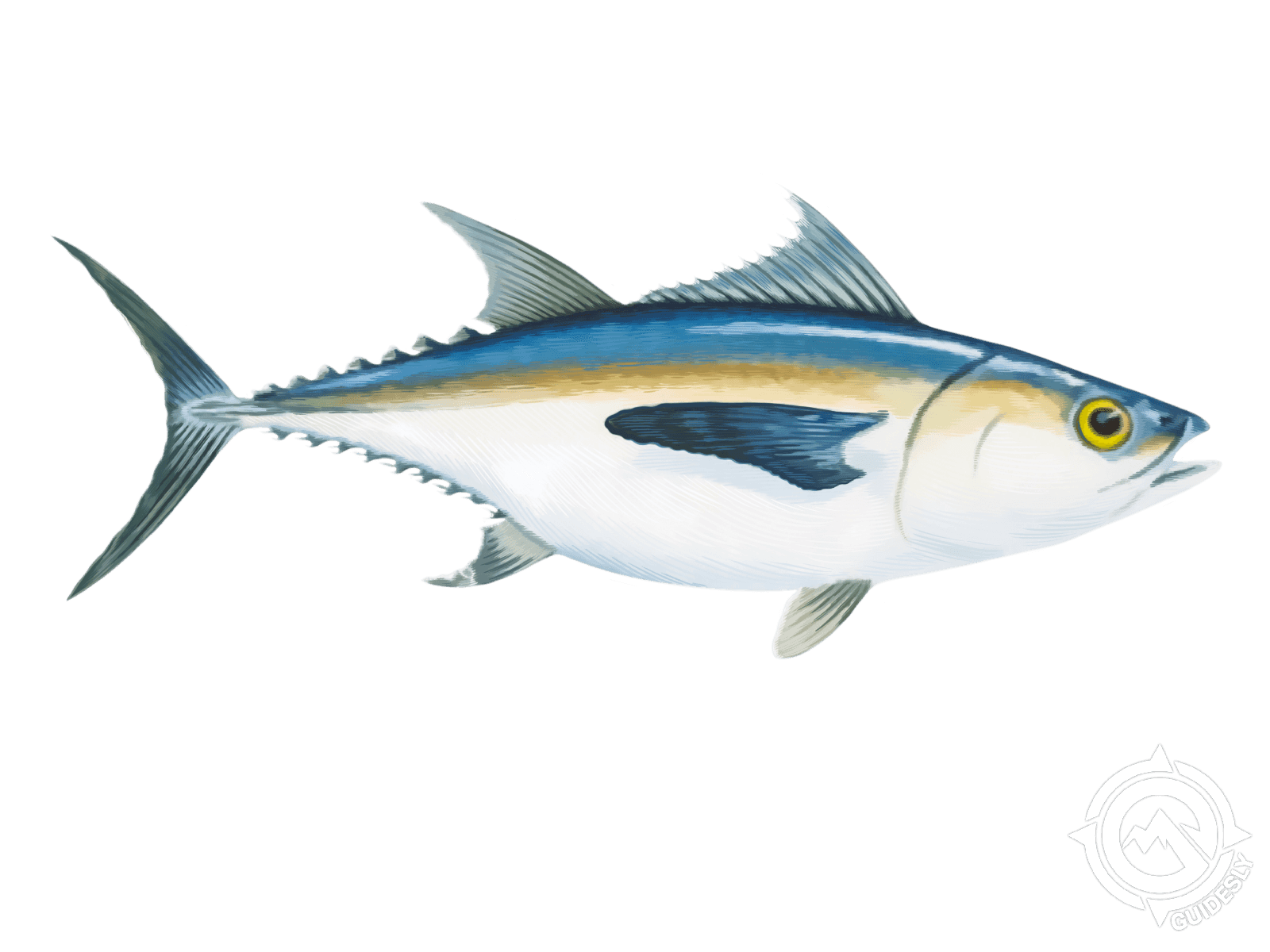
 Blackfin Tuna
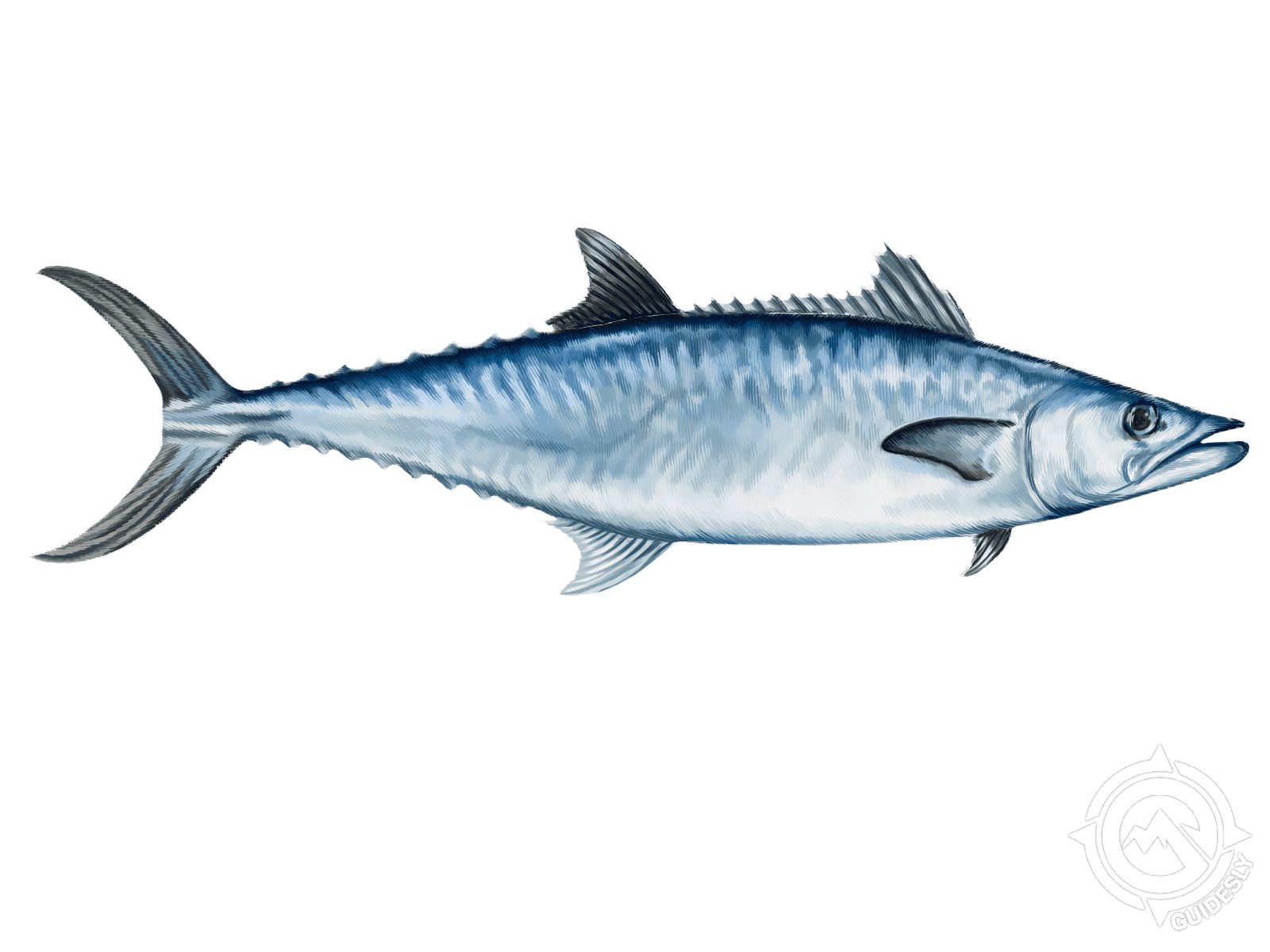
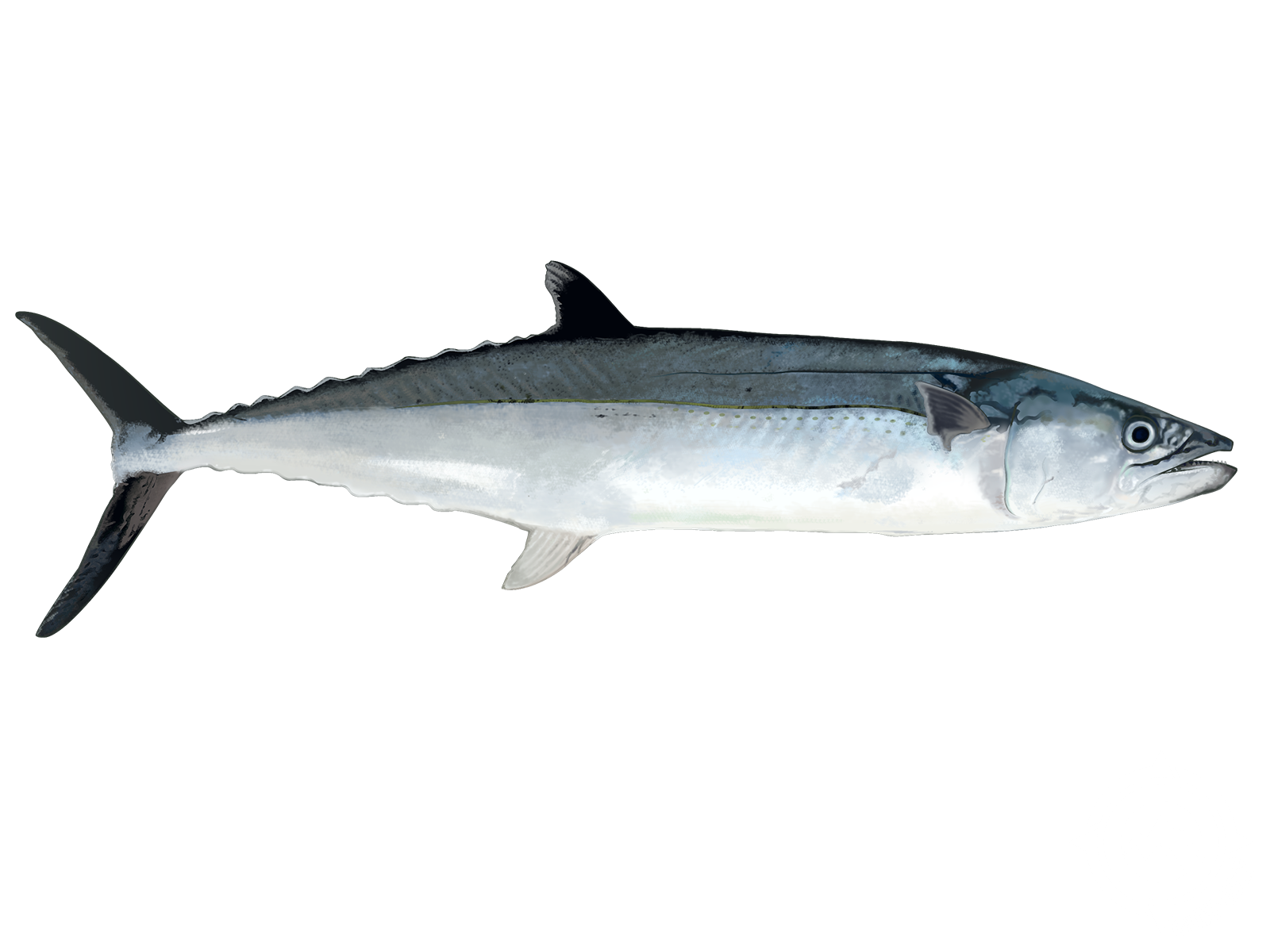 Cero Mackerel
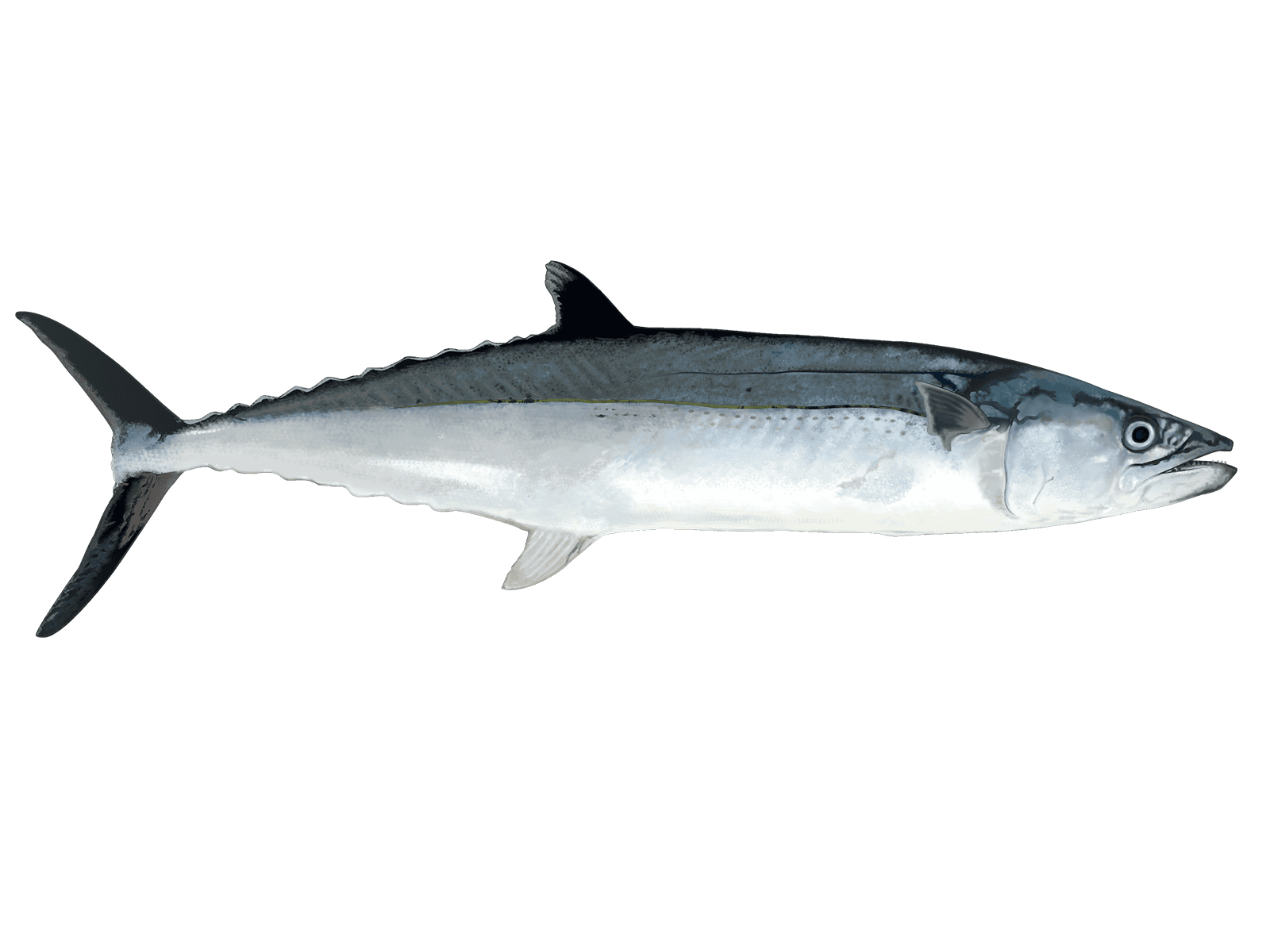
 King Mackerel
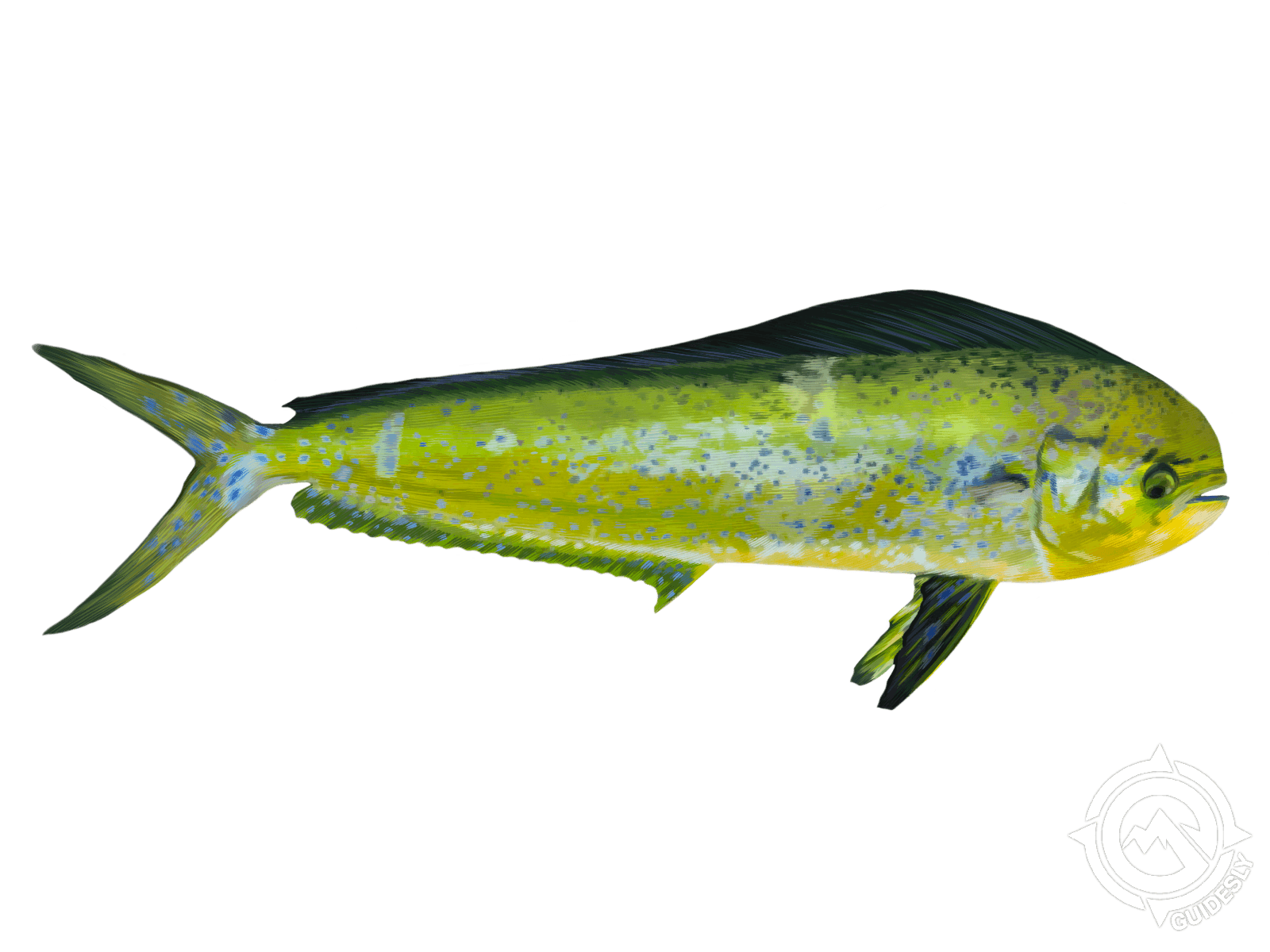
 Mahi Mahi or Common Dolphinfish
- Full-day offshore fishing aboard 26' Costa Custom Catamaran with Captain Landon
- Target Mahi, Mutton Snapper, Wahoo, and Tuna using trolling and bottom fishing
- Accommodates up to six guests with smooth ride and expert local knowledge
Trip Pricing and Availabilities:
Full Day Fishing Frenzy in Islamorada's Hotspots
Get ready to chase the big ones on this action-packed full day trip off Islamorada! We're talking serious offshore action targeting some of the Florida Keys' most prized gamefish. Captain Landon knows these waters like the back of his hand, and he'll put you on the fish whether we're trolling for mahi or dropping lines on the reef for tasty mutton snapper. With room for up to 6 anglers, this trip is perfect for families, groups of friends, or hardcore fishermen looking to fill the cooler.
What to Expect on the Water
We'll be cruising out on a sweet 26' Costa Custom Catamaran that's built for offshore comfort. This cat rides smooth even when the waves kick up, so you can focus on fishing instead of holding on for dear life. We've got a full day to explore, so we'll hit multiple spots depending on where the fish are biting. Expect to do some trolling for pelagics like mahi and wahoo, then maybe switch it up with some bottom fishing on the reef. The variety keeps things interesting, and there's always a chance at hooking into something unexpected – that's the beauty of fishing the Keys!
Rigging Up for Success
On this trip, we use a mix of techniques to target different species. For trolling, we'll set out a spread of ballyhoo and lures, dragging them behind the boat to entice strikes from mahi, tuna, and other pelagics. When we switch to bottom fishing, we'll use heavy conventional tackle with live or cut bait to target snappers and groupers on the reef. Captain Landon will walk you through each technique, whether you're a seasoned pro or it's your first time wetting a line. All the gear is provided, so you just need to bring your A-game and be ready to reel!
Top Catches This Season
The fishing has been on fire lately! Mahi have been schooling up offshore, with some real slammers in the mix. We've been finding them under floating debris and weed lines. The tuna bite has been steady too, especially early in the morning – nothing beats fresh yellowfin sashimi for lunch on the boat. Closer to the reef, we've been pulling up some monster mutton snappers. These tasty red beauties put up a great fight and make for some epic fish tacos.
Species You'll Want to Hook
Blackfin Tuna: These speedsters might be on the smaller side for tuna, but what they lack in size they make up for in numbers and fight. Blackfins typically range from 15-30 pounds and can be found year-round in Islamorada waters. They're known for their explosive topwater strikes and blistering runs. Best of all, they make for some of the freshest sashimi you'll ever taste – we might even slice some up for you right on the boat!
Atlantic Sailfish: The crown jewel of sportfishing in the Florida Keys, sailfish are the acrobats of the ocean. These billfish can reach lengths of 7 feet and speeds up to 68 mph! Winter and early spring are prime sailfish season in Islamorada. Watching a sail light up with vibrant purple and blue stripes as it jumps and tail-walks across the water is a sight you'll never forget. Most sailfish are released after a quick photo, ensuring the sustainability of this incredible fishery.
King Mackerel: Also known as "kingfish," these toothy predators are built for speed. Kings can grow up to 5 feet long and hit weights of 30-50 pounds in our waters. They're famous for their smoking runs and tendency to skyrocket out of the water when hooked. We typically target kings by slow-trolling live baits or by high-speed trolling with lures. Their white, flaky meat is delicious when smoked or grilled.
Mahi Mahi: Also called dorado or dolphinfish (though they're not related to dolphins), mahi are the perfect gamefish. They're abundant, put up an acrobatic fight, and taste amazing on the dinner table. In Islamorada, we find mahi ranging from 5-30 pounds, with some bulls pushing 50+. These neon green and gold beauties often travel in schools, so when you hook one, get ready for multiple hookups! Mahi fishing is best in the warmer months, peaking in summer.
Cero Mackerel: The lesser-known cousin of the king mackerel, ceros are a blast to catch on light tackle. They're smaller than kings, typically 5-15 pounds, but what they lack in size they make up for in numbers and aggression. Ceros have a more pronounced spotted pattern than kings and are often found closer to the reef. They'll readily hit small lures and live baits, making for non-stop action when you find a school. Their meat is similar to Spanish mackerel – great for smoking or making fish dip.
Why Anglers Keep Coming Back
Islamorada isn't called the "Sportfishing Capital of the World" for nothing. The variety of species and year-round action is hard to beat anywhere else. On any given day, you might tangle with a 100-pound sailfish, fill the box with tasty snappers, or get your arms stretched by a wahoo screaming off into the deep blue. Plus, the scenery is just ridiculous – crystal clear waters, swaying palms, and those legendary Florida Keys sunsets. It's not just about the fishing (though that's pretty darn good) – it's the whole experience that keeps folks coming back year after year.
Time to Book Your Spot
If you're itching to get out on the water and experience some world-class fishing, this full day trip with Captain Landon is the way to go. Whether you're a seasoned angler or it's your first time offshore, you're in for a treat. We've got the knowledge, the gear, and the hotspots – all you need to bring is your sense of adventure (and maybe a cooler for your catch). Spots fill up fast, especially during peak season, so don't wait to lock in your date. Get ready to make some fishing memories that'll last a lifetime – book your Islamorada fishing adventure today!
Learn more about the species
Atlantic Sailfish
Atlantic Sailfish are the sprinters of the sea, known for their incredible speed and acrobatic jumps. These beauties can reach over 7 feet long and weigh up to 100 pounds, with that distinctive sail-like dorsal fin. You'll find them in the warm, blue waters off Islamorada, usually within 30-65 feet of the surface. Sailfish season peaks in winter, but you can catch them year-round in the famous "Sailfish Alley" between Miami and Fort Pierce. Anglers love targeting sailfish for their spectacular fights - they'll leap and dive repeatedly, testing your endurance. When you hook one, hold on tight and be patient. Let it run before you start reeling. Here's a pro tip: use bright pink and white tube flies or lures. For some reason, sailfish go nuts for that color combo around here.
Blackfin Tuna
Blackfin Tuna are the smallest of the tuna family, but don't let that fool you. These little powerhouses typically weigh 15-30 pounds and put up a serious fight. You'll find them in the warmer waters around Islamorada, often hanging out near the surface or around structures like reefs. They're most active in fall, winter, and spring. Blackfin are popular targets because they're fast, strong fighters that'll test your skills. Plus, they make for some excellent eating. When you're after Blackfin, look for birds working the surface - that's often a good sign they're feeding below. A local trick: try vertical jigging with butterfly jigs in 100-300 feet of water. The quick, erratic motion drives these guys crazy. Just be ready for an explosive strike and a hard-charging run when they hit.
Cero Mackerel
Cero Mackerel are the speedsters of our inshore waters. These sleek predators usually run 5-10 pounds, with some reaching up to 17 pounds. You'll find them zipping around our patch reefs and clear coastal waters, typically in depths of 3-66 feet. Ceros are active year-round here in Islamorada, but fishing really picks up in the warmer months. Anglers love targeting them for their lightning-fast runs and acrobatic jumps. They're also excellent eating, often used for sushi or ceviche. When you're after Ceros, try chumming with cut bait over the reefs. Once they start feeding, they'll hit almost anything. Here's a local trick: use topwater lures early in the morning. Ceros often feed on the surface, and watching them blast a lure is a real thrill. Just be ready for a screaming run when they hit!
King Mackerel
King Mackerel, or Kingfish, are the speedsters of our local waters. These sleek predators typically weigh 15-30 pounds, but can get up to 90 pounds for the big ones. You'll find them cruising in waters 40-150 feet deep, often near structures like reefs or wrecks. Kings are most active in our warmer months, from spring through fall. Anglers love targeting them for their blistering runs and aerial acrobatics when hooked. They're also excellent eating, with a rich, flavorful meat. When you're after Kings, try slow-trolling live bait like blue runners or mullet. Here's a local trick: use a stinger rig with two hooks. Kings are known for short-striking baits, so that second hook increases your chances of a solid hookup. Just watch out for those razor-sharp teeth when you're handling them!
Mahi Mahi or Common Dolphinfish
Mahi Mahi, also called Dorado, are like the acrobats of our offshore waters. These colorful fish typically run 15-30 pounds but can get much bigger. You'll find them in the warm, blue waters off Islamorada, often near floating debris or weed lines. Mahi fishing is great year-round here, but really heats up in summer. Anglers love targeting them for their spectacular aerial displays and hard fights. Plus, they're delicious - some of the best-eating fish in the sea. When you're after Mahi, keep an eye out for frigate birds circling. That's often a sign of Mahi feeding below. Here's a local tip: if you find a school, keep one hooked fish in the water. Mahi are curious and will often stick around, giving you a chance at multiple hookups. Just be ready for some fast action when they start biting!